


.jpg)

Last Updated: June 2026
If you’re comparing Arkana and Temple of the Way of Light, you’ve already narrowed your search to two of the most respected ayahuasca retreat centers in Peru. Both operate in the Amazon near Iquitos, both work within authentic Shipibo healing traditions, and both have guided thousands of guests through sacred ceremony. These are serious centers, and choosing either one reflects a meaningful commitment to your healing.
Where they differ is in nearly everything else: retreat structure, number of healers, available medicines, facilities, pricing, and how they approach the relationship between guests and the healing team. Understanding those differences matters because the right center for your journey depends entirely on what you’re seeking.
This guide is published on Arkana’s website and was created in collaboration with the Temple of the Way of Light. What we’ve aimed to do here is present the factual differences between both centers so you can determine which experience aligns best with your needs, intentions, and healing journey. We respect what Temple has built over nearly two decades, and we are committed to working in the spirit of a shared goal: real healing, in an atmosphere of real care.
Before we go deeper into each area, here’s a quick comparison of the core differences between both retreats.
| Category |
 Arkana
|
Temple of the Way of Light |
|---|---|---|
| Founded | 2015 | 2007 |
| Location(s) | Peru: Amazon (Iquitos) & Sacred Valley (Cusco). Mexico: Valle de Bravo & Yucatán | Amazon (Iquitos): single location, 200 hectares of protected rainforest |
| Tradition | Shipibo, Meraya lineage, led by Maestra Justina (45+ years) | Shipibo, Meraya lineage. Equal balance of female and male advanced-level healers. Team of 13. No apprentices. |
| Ceremonies & Medicines | Curated program: Ayahuasca, San Pedro, Bufo/Sapo (optional), Hapé, Temazcal, plus psilocybin and peyote in Mexico | Exclusively Shipibo tradition, ayahuasca with a wide variety of other Amazonian plant medicines |
| Healers Per Ceremony | 3 to 7 Shipibo healers per ceremony | 4 advanced-level healers working together |
| Ceremony Support Ratio | Ratio of 1:3 (staff to guest) | 9 staff per ceremony for a max 24 guests. Ratio of 1:3 (staff to guest) |
| Healer Relationship | Permanent family; shamans integrated into full guest experience | Healers steward the full healing process: icaros in ceremony, plus daily traditional practices including vapor baths, flower baths, plant remedies, energetic massages, and individual consultations |
| Group Size | Avg 15 / Max 18 to 25 by location | Typically 16 to 24 per retreat (24 is max) |
| Retreat Schedule | Weekly, year-round (continuous) | Select dates throughout the year |
| Retreat Duration | 7, 14, and 21 days | 8-day (4 ceremonies) and 12-day (6 ceremonies) |
| Traditional Dietas | Available: longer-duration dietas at Arkana's own Amazon center | Available through Shipibo Rao, in partnership with Maestro José López Sanchez, one of the most respected Shipibo lineage holders working today |
| Price Range (USD) | 7-day: from $2,520 · 14-day: from $4,680 · 21-day: $6,800 to $10,700 | 8-day: $2,960 · 12-day: $4,440. Retreat fees support the Temple's non-profit and reciprocity work in the Amazon |
| Facilities | Eco-friendly with Western hospitality: pool, spa, gym, WiFi, ensuite bathrooms, solar powered | 200 hectares of protected rainforest. A living, breathing spiritual hospital. 24 private tambos with en-suite showers and toilets. No electricity. No WiFi. By design. |
| Ayahuasca Source | Own 100-acre plantation; brewed on-site by Shipibo healers | 200-hectare property; 3,000+ vines planted via Chaikuni Ayni Initiative; brewed on-site by Shipibo healers |
| Integration Support | 8P Method, 1:1 coaching (add-on), licensed psychiatrist sessions (add-on), peer-led integration circles, lifetime community | Comprehensive 3-month integration program + 21 hours recorded teachings + lifetime worldwide alumni community, led by facilitators with plant-spirit dietas and training in Shipibo tradition and Western therapy, all included in retreat fees |
| Guest Reviews | 1,000+ five-star reviews across AyaAdvisors (#1 Peru), TripAdvisor, Google. Rated 5.0 stars on Retreat Guru | 4.97 stars on Retreat Guru (125 reviews), Top Rated, Staff Pick. 4.8 stars on Google (232 reviews) |
| Safety Screening | Medical questionnaire, video call evaluation, selective acceptance, 3-week prep diet | Application with medical/psychological screening developed with ICEERS. ~30% decline rate, one of the most rigorous in the field |
| Profit | Private company | 100% of surplus revenue donated to indigenous initiatives |
In an industry where the word “Shipibo” is sometimes used loosely, both Arkana and Temple carry verified, living lineages rooted in generations of plant medicine practice. This shared foundation of authenticity is worth acknowledging, because it’s rarer than many people realize.
.jpg)
Founded in 2007, the Temple has earned deep respect for providing genuine healing for nearly two decades, and it is well known for operating with exceptional integrity. The Temple centers an equal balance of female and male advanced-level Shipibo healers in its work. All retreats are led by four advanced healers (two women and two men), supported by a female herbalist and experienced international facilitators, many of whom carry decade-long relationships with the tradition and serve as a cultural bridge between the healers and guests.
Healers steward the entire healing process at the Temple, day and night. In ceremony, guests receive individual icaros from the healers, the long, sustained, traditional approach found in Shipibo communities. During the day, guests receive traditional healing practices including vapor baths, plant and flower baths, head baths, energetic massages, and individualized plant remedies, along with individual consultations with the healers.
Arkana is, at its core, a family. The healing team is not a roster of employees or contractors rotating through on assignment. It is a multi-generational Shipibo family headed by Maestra Justina, a direct descendant of Merayas, the highest-ranked healers in Shipibo tradition. With over 45 years of experience and more than 50 plant dietas completed, she practices shamanic surgery weekly, an extremely rare skill even among experienced curanderos. Her husband, Maestro Cesar (known as Paparahua), brings over 50 years of his own healing practice. Between retreats, he returns to their home community of Vencedor on the Pisquí River to manage Arkana’s 100-acre ayahuasca plantation, the same village where he, Justina, and fellow Arkana healer Eligio were all born and raised.
This family structure extends beyond the healers. Everyone at Arkana, from facilitators to kitchen staff to the leadership team, operates as one big spiritual family with a shared mission, not a corporate hierarchy. When guests choose Arkana, they are not checking into a retreat center. They are being welcomed into a family, during the retreat and long after they return home. Learn more about the people and mission behind Arkana on the About Us page.
Arkana’s Shipibo healers operate long-term at the center. They do not cycle through from other organizations or rotate on temporary assignments. Many come from the same family and Shipibo lineage, creating continuity in the ceremonial space that guests and healers build together over years, not weeks. Arkana has also invested deeply in Shipibo lineage preservation through a dedicated Shaman School, training the next generation of healers and ensuring that these ancient practices are carried forward with integrity. This commitment is part of Arkana’s broader giving back mission.
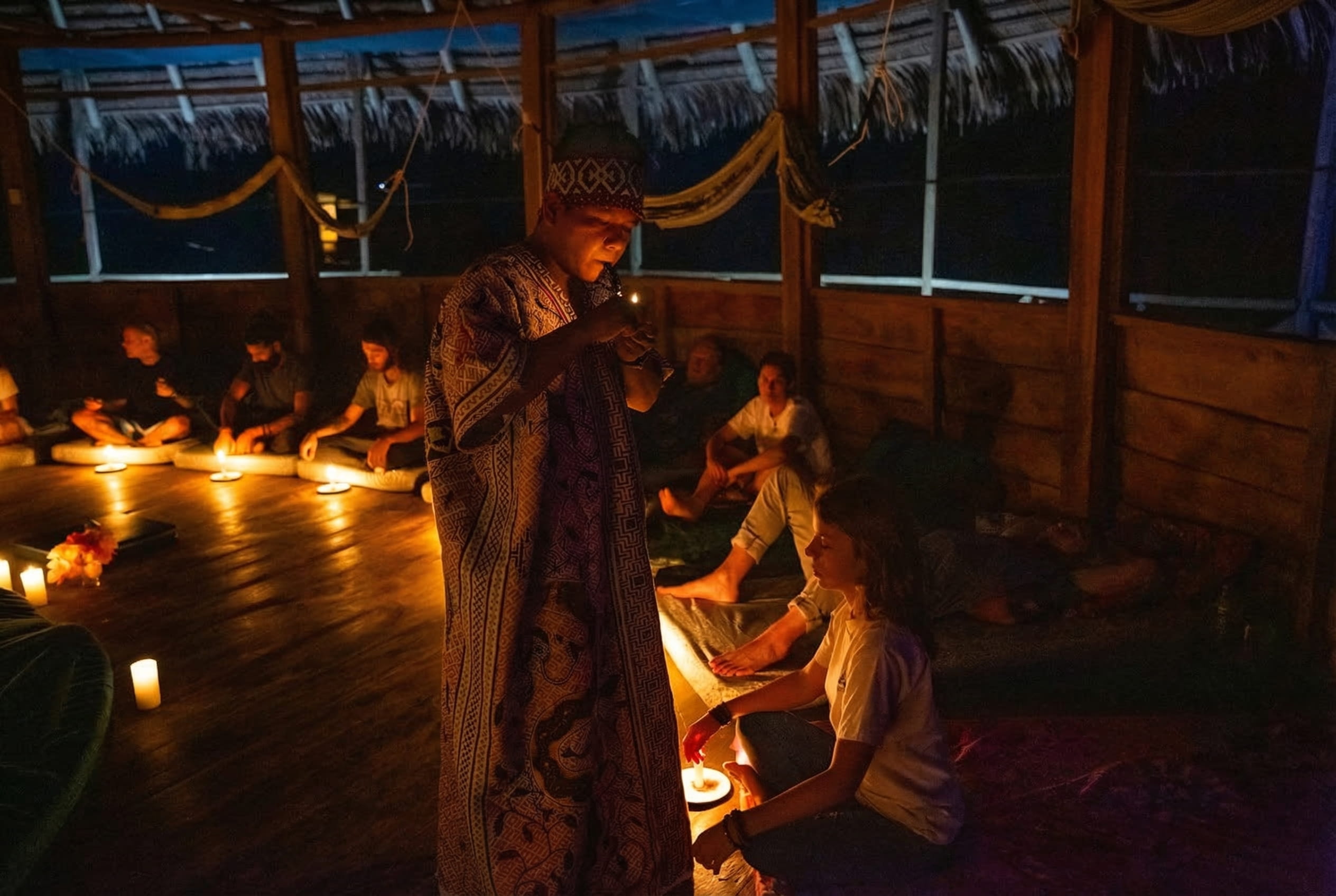
The most tangible difference in ceremony is the number of healers present. Arkana deploys three to seven Shipibo healers simultaneously in each ceremony at its Amazon location, and reviews consistently describe this as extraordinary. Five to seven healers chanting icaros for four to five hours creates a qualitatively different ceremonial space.
Arkana also incorporates live music into ceremonies alongside traditional icaros, though the two are never blended together. The icaros are sung during their own dedicated portions of ceremony, preserving the integrity of the Shipibo healing songs. Each participant receives their own personalized icaros during ceremony, which are recorded and provided on an MP4 player to take home, allowing guests to reconnect with the healing energy of the jungle long after the retreat ends.
Combined, the healing team brings over 100 years of experience into every ceremony. You can learn more about each healer’s story on our team page.
Both centers bring genuine expertise to this work. The Temple grounds its authority in an equal balance of advanced female and male healers and a deep bench of facilitators trained in the tradition. Arkana grounds its authority in the depth and continuity of family lineage, with Shipibo healers integrated into every part of the guest experience. Both honor and practice the Shipibo tradition.
.jpg)
Both centers follow the traditional Shipibo ceremony structure: the darkened maloca, the sacred icaros, the purge, and the deeply personal inner work that unfolds throughout the night. If you sit with either center, you’re experiencing an authentic ceremonial space. Where they differ is in what medicines are available, the breadth of the program, and how they structure the retreat around ceremony.
The Temple works exclusively within the Shipibo tradition. At the heart of Shipibo medicine is a truth rarely understood outside it: the icaros, the songs received from the plant spirits through the healers, carry and direct the healing. Ayahuasca is the only entheogen worked with at the Temple, used alongside a wide variety of other Amazonian plant medicines in daily treatments and remedies. The Temple offers an 8-day retreat with four ayahuasca ceremonies and a 12-day retreat with six, complemented by daytime healing practices, yoga, and individual and group support.
For guests seeking advanced work beyond the standard retreat, Temple supports access to traditional plant dietas through their partner center, Shipibo Rao, led by Maestro José López Sanchez. These 14-day dietas are a separate program (~$2,000 add-on) and require prior ayahuasca experience. This focused path has produced transformative results for thousands of guests over nearly two decades.
.jpg)
Ayahuasca remains the centerpiece, but each retreat follows a carefully designed sequence that has been tailored and refined since Arkana’s founding. This is not a random assortment of offerings. A typical week weaves together ayahuasca ceremonies, complementary medicine ceremonies (San Pedro, Hapé, optional Bufo/Sapo depending on location), group sharing circles, yoga, breathwork sessions, sound bath healing, and excursions into the surrounding landscape. The order, timing, and spacing of each element is intentional. Restorative activities like yoga and sound healing give the body and mind time to process between ceremonies, group shares create space to integrate insights with your community, and excursions ground you in the land itself. Together, these elements create a comprehensive healing arc rather than a series of isolated ceremonies.
Arkana never combines Bufo/Sapo or other psychoactive medicines within the same ayahuasca ceremony. Each medicine is honored separately, with proper timing and spacing between ceremonies throughout the retreat. Guests report extraordinary results from having the opportunity to experience both medicines in the same retreat.
What makes this approach distinct is not simply that Arkana offers multiple medicines, but that each one is honored through its own dedicated ceremony. Ayahuasca ceremonies follow the Shipibo tradition. Bufo/Sapo is offered at all Peru and Mexico locations, accompanied by a traditional Temazcal ceremony. Peyote and psilocybin are offered exclusively at the Mexico centers, each within its own ceremonial space. Arkana does not blend these traditions or combine medicines within a single ceremony. Each receives its own space, its own respect, and its own place within the curated retreat program.
.jpg)
The specific offerings vary by location:
The shamans may also prescribe specific plant treatments such as emetics, vapor baths, or oral remedies based on what they observe during ceremony. Explore the full range of sacred medicines we work with.
Arkana offers traditional ayahuasca dietas of longer duration at its own Amazon center. These dietas require the jungle ecosystem to source the proper food, plants, and nutrients that traditional practice calls for. Unlike Temple’s dieta offering, which operates through a separate partner center, Arkana’s dietas take place on the same grounds where regular retreats are held, under the guidance of the same Shipibo healing family.
Arkana runs retreats weekly, year-round, with continuous programming that allows guests to arrive on a schedule that works for them rather than waiting for fixed dates. Temple offers retreats on a set calendar throughout the year.
Neither approach is inherently better. One goes deep on a single path; the other opens multiple doorways within a single retreat. The right choice depends entirely on what your healing journey calls for.
At Arkana, we offer authentic ayahuasca experiences at two sacred locations in Peru. Each carries its own medicine, its own teachings, its own perfect timing for different souls.


Peru

1–3 Week Programs • Year-Round

Peru
1–3 Week Programs • Year-Round
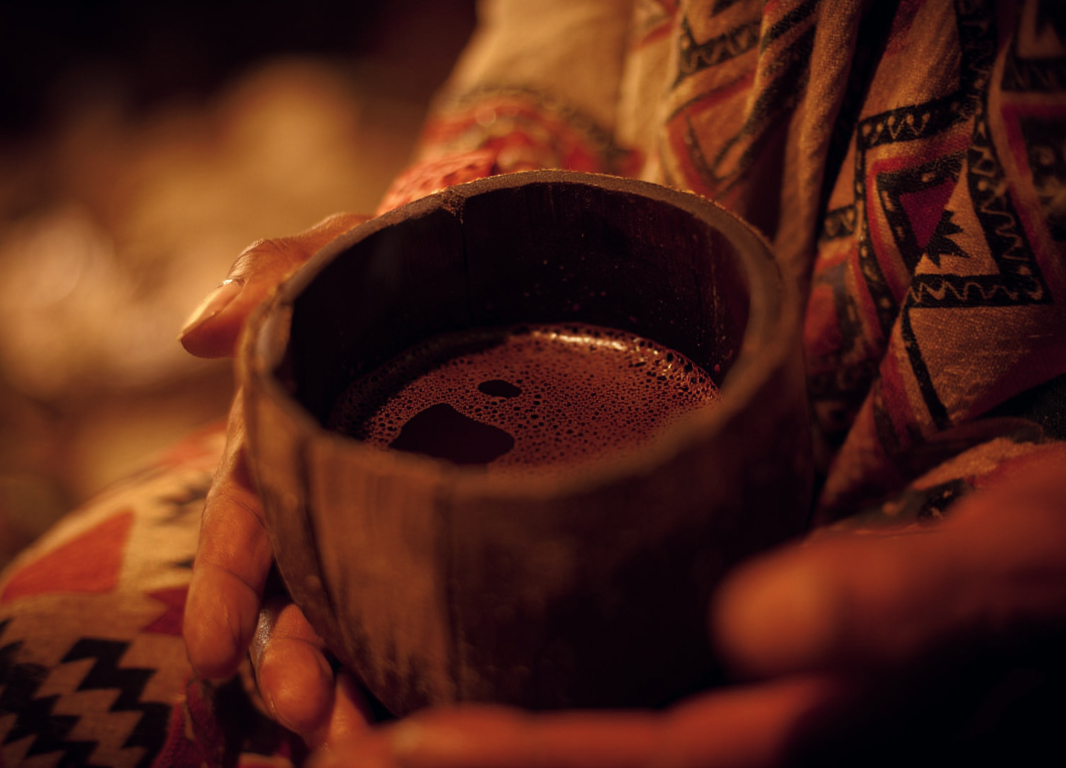
How ayahuasca is sourced and prepared is a question worth asking of any retreat center, because it speaks directly to the integrity of the ceremonial experience. On this point, both centers share genuine strength.
The Temple is located deep in the heart of the Peruvian Amazon. This is not a resort or a wellness center, but a living, breathing spiritual hospital, lovingly stewarded for nearly two decades. A ceremonial maloka cradled by medicinal plants, trees, ayahuasca vines, and native flowers.
Twenty-four private tambos are spread across three hectares of Temple grounds - traditional jungle bungalows hand-crafted from local wood, screened with mosquito netting, and open to the sounds and rhythms of the forest. Each tambo is a private sanctuary: a bed, a hammock, a desk, a chair, a sink, a shower, and a flushing toilet.
The absence of modern comforts is a deliberate choice - one that reflects the Temple's commitment to total immersion in the natural environment. For guests seeking complete disconnection from the modern world, that simplicity is precisely the point.
The Temple is also a living permaculture site - cultivating medicinal plants, raising chickens, and running fish farms. Everything is natural and chemical-free, with a sustainable waste management system to ensure no environmental pollution. Self-sustainability is woven into the fabric of the Temple's operations.
The ayahuasca is grown on Arkana’s own 100-acre plantation in Vencedor, the Shipibo community on the Pisquí River, where Maestra Justina, Maestro Cesar, and healer Eligio were born and raised. The vine and chacruna leaf grow in the Amazon basin, where these plants are native, and the brew is prepared on-site by the same Shipibo healers who lead ceremony.
The ayahuasca you drink in an Arkana ceremony was likely grown, harvested, and cooked by the same people who will sing the icaros over you that night. That continuity, from soil to ceremony, is something most retreat centers simply cannot offer.
Both centers brew their own medicine on their own land. This is a shared strength, not a point of contrast, and it sets both apart from centers that source their ayahuasca from third-party providers.
This is where the two centers differ most visibly, and where personal preference plays the largest role in the decision.
Temple operates from a single 200-hectare property deep in the Amazon, accessible by bus, boat, and hike from Iquitos (approximately two hours). The setting is intentionally immersive and stripped of modern distractions.
Guest accommodation consists of 24 tambos (traditional jungle sleeping huts) built from local wood and screened with mosquito netting. Each tambo includes:
Temple describes this as intentional: “natural, rustic, and simple.” A chill-out room adjacent to the dining area provides a communal space. Meals are prepared by four on-site cooks following ayahuasca dietary guidelines, with ingredients sourced partly from the property’s own fish farms and food production sites.
For guests who want total immersion in the jungle with minimal separation from the natural environment, Temple’s deliberate simplicity is part of the appeal. The absence of modern comforts is not a limitation; it’s a philosophy.
.jpg)
Arkana is not a “luxury” retreat in the Western sense. It is an eco-friendly, comfort-forward environment with the hospitality touches that allow guests to focus entirely on their healing. What makes the centers unique is that this level of comfort is achieved sustainably, in deeply traditional settings.
Arkana Amazon, also near Iquitos, sits along the Ucayali River deep in the rainforest. The center is 100% solar powered with compostable toilets, reflecting Arkana’s commitment to operating in harmony with the jungle ecosystem.
• Housekeeping, comfortable bedding, private rooms and suites (shared options available)
• Orthopedic mattresses, ensuite bathrooms, and in-room safes
• Farm-to-table meals by on-staff chefs at Selva Conscious Kitchen using locally sourced ingredients
• Swimming pool, Amazonian spa, jungle gym, yoga shala
• Starlink WiFi
• Jungle excursions into the Amazon and Pacaya-Samiria National Reserve
View the Amazon retreat details and accommodations.
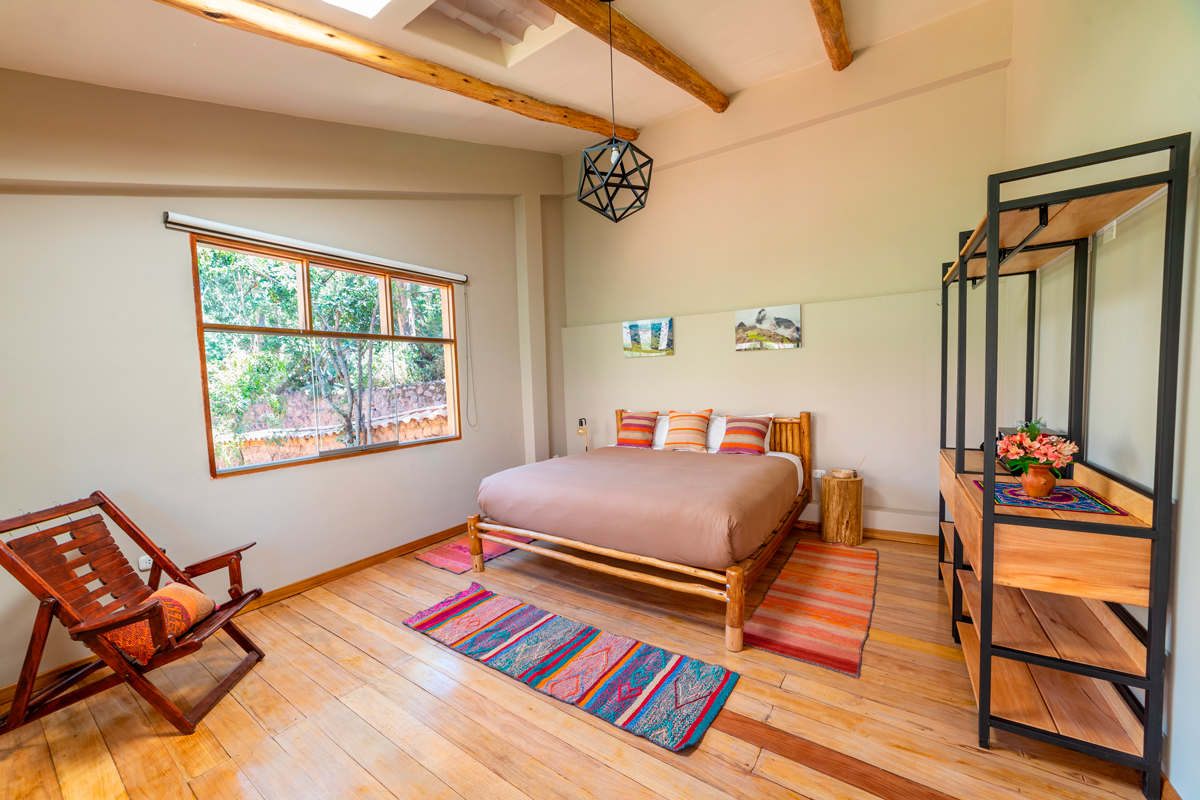
Arkana Sacred Valley, nestled along the Vilcanota River between Cusco and Machu Picchu, offers a distinctly different energy: Andean mountains rather than jungle. The center operates as a true farm-to-table environment, growing its own food in an on-site garden.
• Housekeeping, comfortable bedding, private rooms in a recently remodeled eco-lodge
• On-staff chefs at Kinua Conscious Kitchen serving organic cuisine harvested from the property
• Float tank, open-air gym, Andean spa, Temazcal
• Starlink WiFi
• Excursions to Machu Picchu (~$250) and the Maras Salt Mines available for multi-week guests
.jpg)
Explore the Sacred Valley retreat details and lodge accommodations.
Arkana also operates retreat centers in Valle de Bravo and the Yucatán in Mexico, offering psilocybin, peyote, Hapé, Bufo/Sapo, and Temazcal ceremonies for guests drawn to those modalities.
Temple offers two retreat options. The 8-day healing retreat (4 ceremonies) is $2,960. The 12-day healing retreat (6 ceremonies) is $4,440. Both retreats are complete healing arcs that include daytime traditional healing practices, group sessions, and time for silence and fasting.
Traditional plant dietas are available through Shipibo Rao as a separate program - 14 days, 1 month, or longer, starting at $2,000. The Temple's preference to work with Shipibo Rao, a center owned exclusively by the Shipibo.
100% of the Temple's surplus profit is reinvested in the rainforest, supporting indigenous initiatives.
Arkana’s seven-day Amazon program starts at $2,520 for a shared room and ranges up to $4,500 for premium accommodations. Sacred Valley seven-day programs range from $3,000 to $4,020. Fourteen-day programs run $4,680 to $8,320 (Amazon) and $5,525 to $7,410 (Sacred Valley). Twenty-one-day immersions range from $6,800 to $10,700.
All programs include ceremonies (ayahuasca, Hapé, and San Pedro at Sacred Valley), meals, accommodations, yoga, breathwork, sound healing, integration workshops, excursions, and shuttle from the designated pickup hotel. Optional add-ons include Bufo/Sapo ($300), spa treatments, one-on-one integration coaching, licensed psychiatrist sessions, and Machu Picchu excursions (~$200). Arkana offers a lifetime ten percent return guest discount and periodic promotional pricing.
Temple’s pricing of $2,960 for an 8-day retreat and $4,440 for a 12-day retreat, versus Arkana’s $2,520 starting price for a 7-day program, means guests have different cost structures to evaluate. Arkana offers more flexibility in both duration and budget. A guest seeking a 7-day experience at Arkana will spend roughly half of what a 12-day Temple retreat costs, while also receiving a multi-medicine program with more healers per ceremony. For guests who prefer a longer immersion, Arkana’s 14-day program ($4,680 starting) offers a comparable duration to Temple at a similar or lower price point with significantly more amenities.
Neither center includes international airfare. Both are accessible via Lima with a domestic connection to Iquitos or, for Arkana’s Sacred Valley location, Cusco.
Temple employs an application-based screening process that includes a comprehensive medical form developed in collaboration with ICEERS, reviewed by its off-site medical doctor when necessary. They decline approximately 30% of applicants - one of the most rigorous screening standards in the ayahuasca scene. Options are also available to attend without drinking ayahuasca.
A comprehensive preparation program, guidelines, and a group preparation call are included. Individual preparation sessions with a Temple facilitator are available at an additional cost.
With over 10,000 guests since 2007, the Temple has an outstanding safety track record.
Arkana’s screening involves a medical questionnaire, video call evaluation, and selective acceptance process. Applicants who are not suited for ayahuasca specifically are not simply turned away. In some cases, they are guided toward alternative healing pathways within Arkana’s multi-medicine program. A mandatory three-week preparation diet begins before arrival.
The healing team, led by Maestra Justina with her decades of experience reading participants’ energy, works alongside trained facilitators who adjust the ceremonial approach based on individual needs. Dosing is personalized, and the team monitors each participant throughout every ceremony. Our medical director, Dr. Arturo Sáenz, oversees our safety protocols, and our staff and facilitators follow them at every ceremony. That oversight works alongside careful screening, experienced healers, and a culture that treats safety as non-negotiable. Review our complete safety protocols.
Both centers take safety seriously. This is a shared strength, not a point of contrast.
If Temple’s screening raises concerns, the team assesses your situation carefully. For guests with chronic illness or contraindicated medications, the Temple offers the option to attend without drinking ayahuasca, so the daytime healing practices and the wider retreat remain available.
Arkana’s multi-medicine program means the conversation does not end at “ayahuasca is not suited for you.” Guests who are not the right fit for ayahuasca, whether due to SSRI use, heart conditions, or specific psychiatric diagnoses, can still attend and work with San Pedro, breathwork, sound healing, yoga, float tank therapy, and individual consultations with the healing team. The retreat retains its transformative value through a personalized program shaped around what’s safe and appropriate.
Many guests who arrive unable to work with ayahuasca discover that the medicine they needed was something else entirely, and that the community, the setting, and the support of the facilitators carried just as much healing as ceremony itself.
For guests who may be drawn to psilocybin or peyote rather than ayahuasca, Arkana’s Mexico locations offer those modalities with the same standard of care. Mexico can also serve as a gentler entry point for anyone who feels called to plant medicine work but finds ayahuasca intimidating as a first experience. Psilocybin and peyote, while powerful in their own right, offer a different kind of doorway, and beginning there can build the confidence and trust needed for deeper work later.
Both centers agree on a fundamental truth: ceremony is the beginning, not the end. What you do with the insights that emerge, how you carry them into your daily life, your relationships, and your decisions, determines whether transformation lasts or fades.
Temple provides a comprehensive 3-month integration program and a lifetime worldwide alumni community - all led by facilitators who carry plant-spirit dietas, trained in both Shipibo tradition and progressive Western modalities, including IFS, Somatic Experiencing, Hakomi, Compassionate Inquiry, and Yoga Therapy.
The program includes 21 hours of recorded teachings with lifetime access, weekly emails, guided meditations, journaling prompts, and written assignments - self-paced, so integration happens at your own rhythm. Individual integration support is available as an add-on.
Sourced from nearly two decades of experience with over 10,000 participants, the Shipibo wisdom keepers, the plant spirits, and the Amazon itself - this is one of the most comprehensive ayahuasca integration programs in existence.
.jpg)
Arkana developed a structured framework designed to bridge the gap between the ceremonial space and everyday life. Each of the eight principles addresses a specific challenge that guests commonly face after returning home:
• Practice: Put teachings into action through journaling, yoga, meditation, and breathwork
• Prune: Release what no longer serves your growth
• Pilgrimage: Cultivate daily stillness and inner connection
• Pause: Check in regularly with your inner state
• Patience: Honor your own timeline; healing is not linear
• Preach Not: Share mindfully and protect your energy
• Play and Laugh: Approach healing with lightness; sacred work does not have to be solemn
• Pursue Your Purpose with Passion: Live in alignment with what ceremony revealed
Beyond the framework, Arkana provides lifetime access to WhatsApp community groups and ongoing facilitator check-ins. Peer-led integration circles (groups of four to five people) continue after the retreat, creating accountability and shared support. The personalized icaros recording that each guest takes home on an MP4 player also serves as a powerful integration tool, allowing you to reconnect with the ceremonial space and the healing energy of the jungle whenever you need it. On-site integration workshops during the retreat provide guests with practical tools before they leave.
For guests seeking deeper support, optional add-ons include one-on-one integration coaching sessions and licensed psychotherapy sessions. A lifetime ten percent return guest discount reflects Arkana’s belief that healing is an ongoing relationship, not a transaction. Explore the full range of integration services.
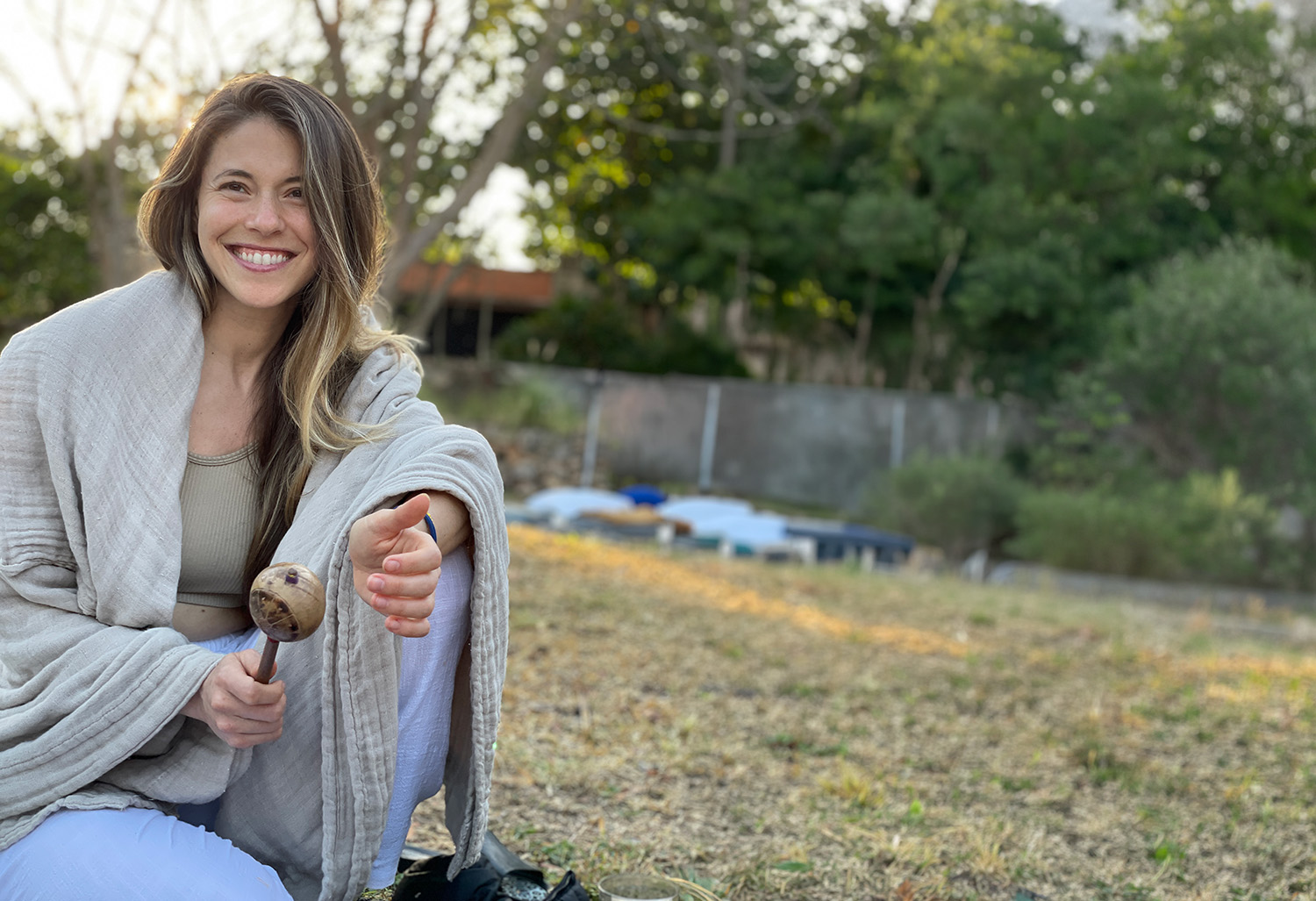
Temple holds a 4.97 star rating on Retreat Guru from 125 reviews - Top Rated and Staff Pick. On Google, the Temple holds 4.8 stars from 232 reviews. Reviews consistently praise the depth of the ceremonial experience, the care of the facilitators, and the jungle setting. Temple's 19-year track record and consistent approach have built significant trust in the ayahuasca community.
Arkana holds the number one rated position on AyaAdvisors in Peru with over 1,000 five-star reviews across AyaAdvisors, TripAdvisor, Google, and a perfect 5.0 star rating on Retreat Guru. Guests consistently highlight the number of Shipibo healers present in ceremony, the personal attention from facilitators, and the family atmosphere as defining features of the experience. Solo female travelers consistently highlight Arkana as a safe, supportive environment, a detail worth noting for anyone planning to attend alone.
Return guests are common, and many describe the WhatsApp community and ongoing facilitator relationships as reasons they chose Arkana again. The lifetime return guest discount reinforces this pattern.
Choosing either of these centers reflects a meaningful commitment to your healing. Both Arkana and Temple carry genuine Shipibo lineage in an industry where authenticity matters more than ever. The fact that you’re researching this carefully, reading comparisons, weighing your options, listening to what resonates, tells us something important about how seriously you’re approaching this journey. That intentionality matters, and whichever path you’re drawn to, trust that instinct. It’s already part of the healing.
If you’d like to explore whether Arkana is the right fit for your intentions, we’re here to talk it through. Explore our Amazon retreats or Sacred Valley retreats, or schedule a discovery call to discuss your specific needs and questions.
Temple was founded in 2007 and has been in continuous operation for 19 years. Arkana was founded in 2015. Both centers are led by Shipibo healing lineages that predate both organizations by generations.
Yes. Temple now offers an 8-day healing retreat with 4 ayahuasca ceremonies, starting at $2,960. The 12-day retreat with 6 ceremonies ($4,440) remains the flagship program. Both are complete healing arcs.
Temple works exclusively within the Shipibo tradition and solely with Shipibo plant medicine. The icaros guests receive come from a multitude of plant and tree spirits. Daily treatments and remedies draw on a wide variety of Amazonian medicinal plants. Ayahuasca is the only entheogen worked with at the Temple.
Ayahuasca is contraindicated with SSRIs at both centers. The Temple's rigorous screening (developed with ICEERS) will carefully assess your situation. For guests with chronic illness or contraindicated medications, the Temple offers options to attend without drinking ayahuasca. Always consult your prescribing physician before making any changes to medication.
Not at all. It is a deliberate philosophy. The Temple intentionally removes modern distractions - no electricity, no WiFi - to deepen total immersion in the healing environment. For guests seeking complete disconnection from the world they came to step away from, that simplicity is precisely the point.
Temple typically hosts 16 to 24 guests per retreat (maximum 24), with four advanced Shipibo healers, a female herbalist, and three experienced facilitators, for a one-to-three staff-to-guest ratio. Arkana hosts 15 to 25 guests (depending on location) with three to seven Shipibo healers per ceremony.
Yes. Arkana operates centers in Valle de Bravo and the Yucatán in Mexico, offering psilocybin, peyote, Hapé, Bufo/Sapo, and Temazcal ceremonies. These locations do not offer ayahuasca. They serve guests who are drawn to other plant medicine modalities or who may prefer a gentler entry point before committing to ayahuasca work.
Both centers welcome first-time guests. Temple’s singular focus on ayahuasca provides a deep, undiluted introduction to the medicine. Arkana’s curated program, smaller group sizes, integrated Shipibo healer presence, and structured integration support are designed to provide comprehensive guidance for guests at every experience level, from first ceremony to advanced dietas.


